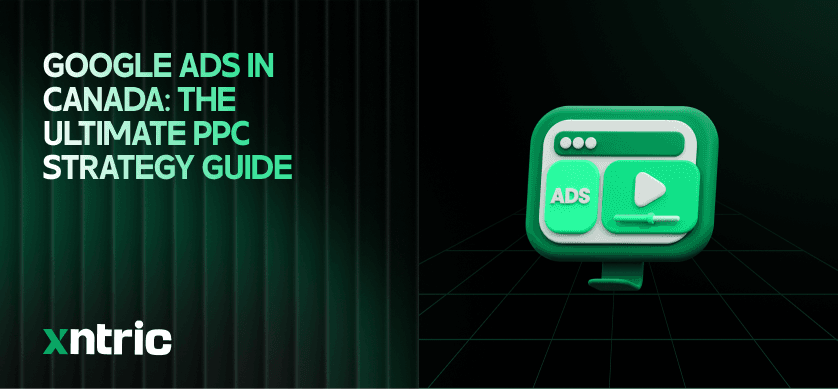
Google Ads in Canada: The Ultimate PPC Strategy Guide
Blog
Written By
TehreemTue Apr 21 2026
Blog
Blog

Google Ads is an online advertising platform where advertisers pay to display brief advertisements‚ service offerings‚ product listings‚ and video content to web users within the Google ad network․ These ads can appear on Google and its partner websites․ Advertisers typically use a pay-per-click (PPC) model‚ wherein the advertiser pays for the ad each time a user clicks on it․

By 2026‚ Google has over 90% of Canada's search market share․ The platform becomes increasingly automated with AI‚ but many Canadian advertisers are still "leaking" money on ad spend because they are stuck in old settings or broad targeting․ This guide is a complete playbook on managing Google Ads Canada so that your Google Ads budget is spent on actions that get results․


What Is Google Ads and How Does PPC Work?

When researching PPC advertising in Canada, business owners must first understand that Google Ads is complex and not a "highest bidder wins" auction house․ Advertisers with lower bids are rewarded for providing a good user experience, while those bidding higher risk being penalized․

Key Definitions for the Canadian Market

Because the auction occurs every time a user performs a search‚ a good Quality Score may allow you to outrank your competitors even if they pay more per click․ Therefore‚ a good PPC strategy Canada is as much about the relevance of the landing page as it is about the amount of money you allocate each day․ Learning the mechanics of an auction only takes half the effort; the other half is building the right campaign․

PPC (Pay-Per-Click):

A form of advertising in which an advertiser will pay each time a potential customer clicks on their advertisement․ This is the basis of search engine marketing Canada services

CPC (Cost-Per-Click):

The amount paid for a single click is based on the quality and competitiveness of the ad․

Quality Score:

A score from 1 to 10 that Google determines based on how relevant your keywords‚ ad copy, and landing page experience are․

Ad Rank:

The position that your ad appears in; it is calculated by multiplying your Bid by your Quality Score‚ the quality of your ad․

Impression Share:

Percentage of the time your ad shows versus the number of times it was eligible to be shown․

Types of Google Ads Campaigns Canadian Businesses Should Know

A full-service digital marketing agency in Canada will rarely execute a campaign within a single channel․ You need a multi-channel strategy that includes the entire Canadian buyer journey․

1․ Search Campaigns

They are the "bread and butter" of paid search Canada․ It is a text ad position above the top of the website results in Google SERPs․ It is a high-intent search result‚ meaning the user is looking for an answer․ As of 2026‚ Google Ads management Canada mainly employs Responsive Search Ads (RSAs) that test various combinations of headlines and descriptions you provide․

2․ Performance Max (PMax)

PMax is an automated ad type that runs on Search‚ YouTube‚ Display‚ Gmail‚ and Maps․ It has great reach‚ but little manual control․ The quality of the "asset groups" (images‚ videos‚ copy) that you feed to PMax is essential․

3․ Display Campaigns

Like search ads‚ display ads are visual banners that are displayed on millions of websites that form the Google Display Network․ They can have a lower click-through-rate than search ads‚ but are needed for brand awareness and "top-of-mind" retargeting to users who visited your site․

4․ Shopping Campaigns

In retail‚ Shopping ads are required for small business Canada Google Ads campaigns․ Shopping ads appear in search results with an image of your product‚ price‚ and store name, so customers can compare products without having to open a new page․

5․ YouTube Ads

With the highest level of video consumption ever and the ability to reach more warm audiences with skippable ads‚ non-skippable ads, and bumper ads‚ building out a brand in the Canadian market through storytelling is easier than ever with YouTube ads․

How to Build a Google Ads Campaign Structure That Converts

Building a campaign without a structure is the fastest way to waste money․ This guide explains how to set up your Google Ads agency Canada in 7 steps to increase your ROI․ Define your goal and track it‚ and never campaign without it․ Set conversion action to phone calls‚ form submissions‚ or online sales‚ and ensure that Google's Ads conversion tracking is connected to GA4 and the website development Canada project․
Keyword Planner will give you Canadian search volume when doing keyword research for Canada․ CPCs in the Greater Toronto Area (GTA) can be 2-3x higher than in the other provinces for the same keywords․ For keywords‚ choose Phrase Match ("red shoes") or Exact Match ([red shoes])․ Avoid Broad Match (red shoes)‚ as Google's AI might show your ad for irrelevant queries like "blue boots,"‚ wasting your ad budget․ Move on to other match types when you like․
Structure your campaigns and ad groups logically․ If you have "Kitchen Remodeling" and "Bathroom Remodeling" keywords‚ put them into different ad groups and create appropriate ads for each group․ Write Responsive Search Ads that actually perform: Include your keyword in the first three headlines and add a Call to Action (CTA) like "Book Your Free Quote" to improve the UI/UX design alignment from the first click
Start with Manual CPC bidding or Maximize Clicks to give Google AI time to learn about the campaign before you switch to Target CPA bidding․ The algorithm has more data to optimize profit after 30-50 conversions․
From day one‚ create your negative keyword list․ Negative keywords prevent your ad from being shown when someone searches for something irrelevant to your business․ For instance‚ if you provide a high-value service‚ add "free"‚ "cheap"‚ and "jobs" to your negative list to save money on unqualified leads․

Bidding Strategies in Google Ads

Choosing your bidding strategy is like telling Google how to spend your money․ In 2026‚ you'll be able to set automation without worrying about when to use it․Manual CPC: You set the maximum bid․ This gives you the most control‚ especially with a new account․

Maximize Clicks:

Google automatically finds the maximum number of clicks within a certain budget․ This works best for generating initial traffic․

Target CPA (Cost Per Acquisition):

Provide Google with how much you'd like to pay for each lead or conversion (for example‚ $50 per lead), and Google uses that information to make bids․

Target ROAS (return on ad spend):

This bidding strategy is best suited for e-commerce․ You say‚ Google‚ I want $5 for every $1 I spend'․

Maximize Conversions:

Google spends the entire daily budget to generate the highest volume of conversions‚ regardless of the cost per lead․
For most new search engine marketing Canada accounts‚ we recommend starting with Manual CPC and switching to Target CPA after the first month of data gathering․

Common Mistakes In Google Ads By Canadian Businesses

As a leading PPC agency in Canada‚ we see these six mistakes regularly․ Avoiding them will give you the edge over 80% of your competition․

Using Broad Match with no negatives:

This is essentially giving Google a blank check․ Without negatives‚ a Toronto roofing company is going to be getting clicks from people searching "roofing jobs" or "roofing DIY videos"․

Sending all traffic to the homepage:

Your homepage is too broad․ If someone searches for "Emergency Plumber" and you send them to a homepage about general construction‚ they will bounce․ Use dedicated landing pages․

Launching with Smart Bidding too early:

All automated bidding strategies have a "learning phase․" If you create a Smart Shopping campaign with Target ROAS on day one and no historical data‚ Google won't know which audience to target․

Ignoring the Quality Score:

Many advertisers try to "out-bid" a low Quality Score․ In general‚ fixing ad relevance and landing page speed is cheaper than simply increasing your bid․

Not tracking conversions:

If you aren't tracking which keywords are converting to phone calls or sales‚ you aren't doing Google Ads management Canada; you're just gambling․

Ignoring ad scheduling:

If your office is closed on weekends and no one answers the phone‚ why should your "Call Now" ads run Sunday morning? Ad scheduling lets you reduce your spending and run your ads when you're open and ready to do business․

How to Measure Google Ads Performance

Because PPC advertising in Canada is based on data, not "gut feelings,"‚ the emphasis should be on the following:

CTR (Click-Through Rate):

For Canadian search campaigns‚ a CTR of above 3% is healthy․

Quality Score:

Strive for a score of 7/10 or higher to maintain lower CPCs

Conversion Rate:

The percentage of visitors who complete a desired action on your landing page․

CPA (Cost Per Acquisition):

The most critical metric for lead gen campaigns․ For example‚ if your CPA is $40 and a customer is worth $400‚ you're doing great․

ROAS (Return on Ad Spend):

The ultimate e-commerce metric․ By linking Google Ads to Google Analytics 4 (GA4)‚ you get a complete view of your customer's journey‚ which is what a digital marketing agency Canada uses to profitably scale a business․

Google Ads vs Meta Ads: Which Is the Right Channel for Canadian Brands?

One of the most frequent questions I get is: "Should I be on Google or Facebook?" It depends․

Google Ads is for demand capture:

People search for what you have․ It works best for high-intent services‚ like SEO services Canada or emergency repairs․

Meta Ads is demand generation:

You are competing for attention in a feed of users who did not ask to see your ad․ Best for visual products‚ new brand launches, and social media marketing Canada․ For most mature brands‚ the right answer is to stick with the 70/30 split and invest in Google Ads where demand already exists․

Should You Hire A Google Ads Agency In Canada?

The platform has never been easier to access․ But with AI-led demand side and a privacy-first world of tracking in 2026‚ DIY is a risky bet․ Not just managing ads‚ experts manage the entire funnel․

Frequently Asked Questions

1. What are Google Ads and pay-per-click (PPC) advertising?

Google Ads uses a bidding system where you pay for your ad to show up in the search engine results based on keywords you bid on․ PPC stands for Pay-Per-Click; you only pay when someone clicks on your ad․

2. How much does Google Ads cost in Canada?

Pricing differences exist across verticals: local service or home improvement businesses could start from $1‚000-$3‚000/month‚ while national brands or highly competitive industries like insurance pay $15‚000+․

3. How long does Google Ads take to show results?

It depends‚ but results can often be seen within hours․ You will start seeing some traffic within hours of launch․ Over time, the algorithm improves with more data‚ so expect a more stable ROI after 2-4 weeks․

4. What is a good ROAS for Google Ads in Canada?

For Canadian Advertisers‚ a good ROAS is 500% or a 5:1 ratio․ A baseline e-commerce ROAS is 4x (4:1)․ For lead generation‚ the Cost Per Acquisition (CPA) should be weighed against the profit margin on the product․

5. What is Quality Score, and why does it matter?

The rating is based on the relevance of your ad and the quality of your landing page․ Better ratings yield lower cost-per-click and better ad positioning․

6. What is the difference between Search campaigns and Performance Max?

Search campaigns are keyword-based‚ while Performance Max is machine learning-based․ While Search campaigns target specific keywords with text ads‚ Performance Max uses AI to show ads automatically on YouTube‚ Gmail‚ and Search․

7. Should my business in Canada use Google Ads or Meta Ads?

Google Ads are excellent for demand capture when people are searching for your products‚ while Meta Ads are better for creating demand or interest-based targeting․

8. Does Xntric run Google Ads campaigns in Canada?

Yes! Xntric is a top PPC agency Canada that provides full-funnel PPC management‚ including keyword research and landing page optimization․
Tehreem

Tehreem Fazal Qureshi

Tehreem Fazal is a creative strategist, content marketer, and freelance writer with over six years of experience crafting impactful stories for local and international brands. She specializes in content strategy, brand storytelling, and SEO-driven writing across industries like fashion, real estate, food, digital marketing, lifestyle, and automotive etc. Her words have shaped the voice of leading names including Master Group, LUMS, Metropolitan Properties UAE, and more. With a background in English Literature, Tehreem blends creativity with strategy to make every piece of content resonate and convert. When she's not writing, she's exploring new ideas, brands, and narratives that inspire.


shadow
Related posts

Let 's get started

Start Your 360° Growth Journey

Branding
UI/UX design
Web development
Mobile App development
Search Engine Optimization
Search Engine Marketing
App Store Optimization
Production
Social Media Marketing
Digital Marketing
Game Marketing
Artificial Intelligence